
build better Sleep
Energy, mood, physical and mental performance are all correlated to the quality of sleep we get.
Some people just seem to sleep well regardless of the increased stimulation, distractions and stress that can interfere with a good night’s sleep.
For the rest of us, good sleep takes intention and practice.
Build better sleep by using the tools in the toolkit below.
The Toolkit
The toolkit is presented in levels with level 1 being the easiest changes that will help your sleep. With each level comes more advanced tools.
The idea is to think of sleep as an activity that you have to prepare for. Just like preparing for work or the gym, using the tools below to prepare for sleep can help build a better sleep experience.
-
Turn off all overhead lights at least one hour before bed.
Lights prevent the release of melatonin which calms our brain and body for sleep. If you need light, use a dim, warm light from a lamp. If you don’t need the light, turn it off. The earlier, the better.Power tool: no overhead lights at least 2 hours before bed.
Take magnesium glycinate before bed.
Magnesium glycinate calms the nervous system and relaxes the body, not only reducing cortisol and symptoms related to anxiety but preparing the body for better sleep. 100-200mg is the recommended dose. Consult your healthcare provider to make sure there are no negative interactions with medications or effects on kidneys.Take a warm/hot shower in the evening.
Warm exposure in the evening raises our body temperature. Our body temperature will naturally lower after which helps us fall into a deeper sleep. -
Take tart cherry before bed.
Not only does tart cherry help with muscle recovery and inflammation but studies have shown that taking tart cherry before bed can help sleep quality, amount of deep sleep and overall length of sleep. Take capsules to avoid the sugar. Recommended dosages are on the bottle.Lower your heart rate.
Aim to get your heart rate down to a resting state (your lowest, relaxed heart rate) before you fall asleep. This will help you fall and stay in a deep sleep. Reducing stimulation (light, sound, thoughts) and slowing down your breathing are some of the ways you can lower your heart rate.Power tool: focus on long, slow, deep breaths out when you're breathing before bed. The exhale lowers your heart rate.
Avoid caffeine at least 8 hours before you want to be asleep.
Caffeine blocks the chemical that makes you feel sleepy. This includes, coffee, tea, sodas, energy drinks, some pain relievers, pre workout.Avoid alcohol at least 3 hours before you want to be sleep.
Alcohol might help us fall asleep but it results in terrible quality sleep. Alcohol disrupts sleep, keeps the heart rate up and limits deep sleep.Power tool: no alcohol 4-6 hours before sleep
-
No screens at least 30 minutes before bed (longer is better).
Even dim screens keep our brain alert and prevents the release of melatonin. It keeps us awake so our body does not wind down to prepare for sleep. Avoiding screens gives you time read, tidy up or connect with your partner.Power tool: no screens at least one hour before bed.
Aim for at least 7 hours of sleep.
We need sleep to repair our brain, body and nervous system after it gets worn out each day. Aim for at least 7 hours of sleep (or at least 7 hours of lying in bed without any external stimulation).Power tool: Aim for at least 8 hours of sleep or bed time.
Create a bedroom that promotes sleep.
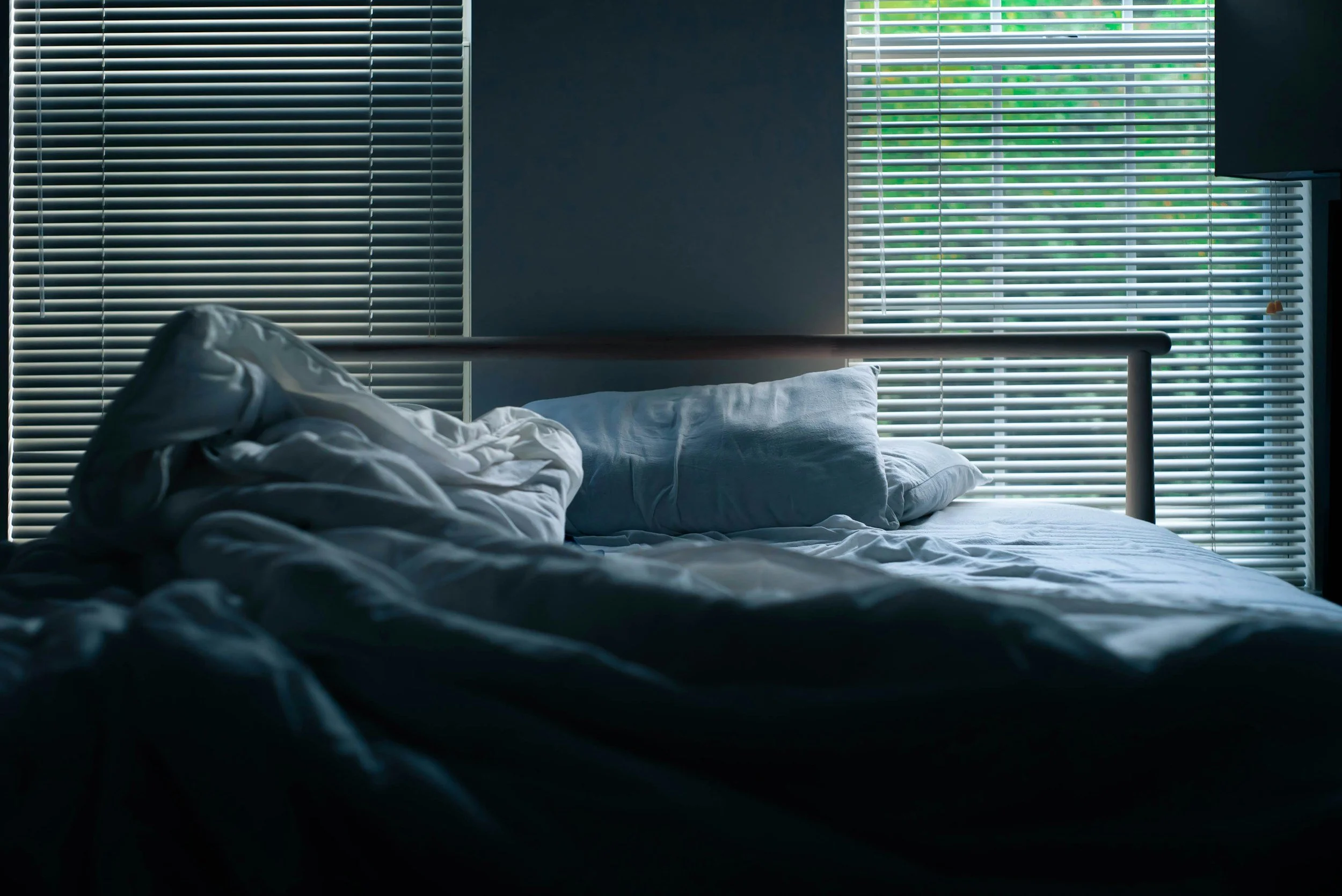
Your bedroom should be quiet, cool and dark (think like it’s your sleep cave). Avoid other activities in your bedroom if you can (well, that one activity is ok) so your brain and body see this as a space for sleep. There should be little to no noise and light when you’re sleeping if possible. Some people find value in a sleep mask or ear plugs. A sound machine or fan can help drown out noise.In bed activity - Side to Side Eye Movement.
With your eyes closed, slowly move your eyes from side to side. This calms the nervous system and helps relax you to fall asleep. -
Get light in your eyes for at least 10 minutes when you wake up within an hour of waking up.
Natural light is best (even through clouds) but bright lights in your house (or a happy light) clears out the residual chemical in the brain that makes us feel sleepy and starts the body clock for the day so it can prepare for sleep in the evening.Power tool: at least 20 minutes of light in the morning.
No screens in your room.
Get an alarm clock and leave the phone in the other room. Having screens in your room prevents your body from preparing for sleep and having a phone nearby disrupts your sleep because your brain will want to check it regularly and limit deep sleep.Power tool: use an alarm clock that uses light before sound to wake you up.
In bed activity - Progressive Muscle Relation.
Starting with your toes and going up your body. Tense each muscle for 5 seconds then release. This relaxes the body, calms the nervous system and lowers the hear rate.Write down tomorrow’s tasks.
Writing down what you have to do tomorrow, allows your brain to ‘let go’ of whatever is on your mind so it can relax knowing that you don’t need to worry about forgetting anything. -
Have a sleep routine.
Be consistent with your preparation for sleep. This includes everything that you do at least 10 minutes before bed. Brushing your teeth, washing your face, journaling, gratitude, stretching. Whatever you do, keep it consistent. This tells the body that you are preparing for sleep and it will as well.Power tool: increase the routine to 15-30 minutes before bed.
Wakeup within 60 minutes of the same time every day.
Waking up at the same time every day is more important than going to bed at the same time everyday. Why? A consistent wakeup time keeps our circadian rhythm in check, regulates our cortisol levels and prepares the body when to be alert and when to wind down. Your brain learns when the day starts and prepares you for your sleep cycle. If you are tired, you are better off waking up and going back to sleep then sleeping in.Power tool: keep it within 15 minutes daily.